
I've been loving the app. The audio restoration works amazing on my suno songs
Restore YouTube MP3 Songs:
Recover Detail From Compressed Audio.
YouTube audio is heavily compressed to save storage. Old uploads, legacy codecs, and MP3 download sites often degrade it further. Neural Analog helps restore lost detail and reduce artifacts.
SELECT RESTORATION TYPE
Upload audio files
Drag & drop or click to browse (multiple files supported)
Supports: MP3, MPEG, MP2, MPGA, WAV, WAV, AIFF, AIF, AIFF, AIF, FLAC, AAC, OGG, OPUS, M4A, MP4, WEBM, WMA, ALAC, AMRMax size: 50MB.
How It Works
Import Audio
Upload an old MP3 or paste a YouTube link. Many files have been compressed multiple times.
Neural Reconstruction
The model predicts the most likely high-resolution signal behind low bitrate MP3 and YouTube compression.
Download WAV
Export restored audio with reduced artifacts and improved detail.
See Neural Analog in Action
YouTube uses lossy compression to reduce file size. Older videos and re-uploads often use lower quality codecs. MP3 download tools frequently compress the audio again at low bitrates, causing cumulative quality loss compared to official releases.
Remove mp3 artifacts
Low bitrate MP3 and YouTube compression can hard weird metallic noises, wobbles, hisses, and chirps. Regenerate high frequencies and remove artifacts with dedicated models.
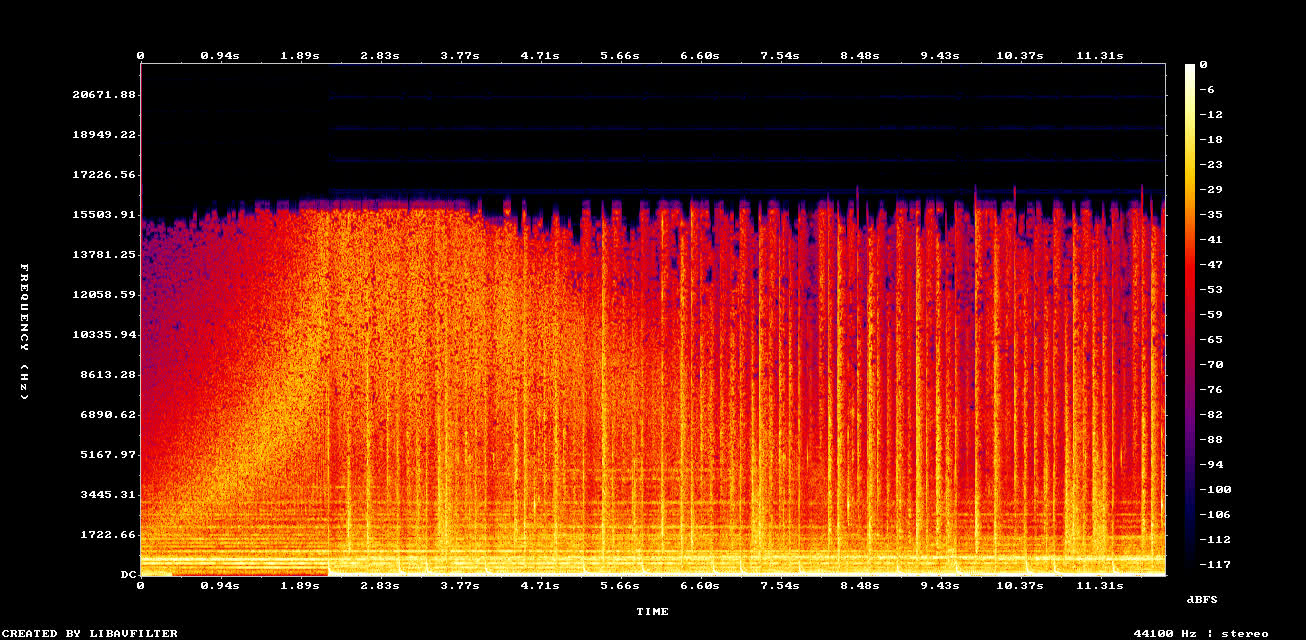
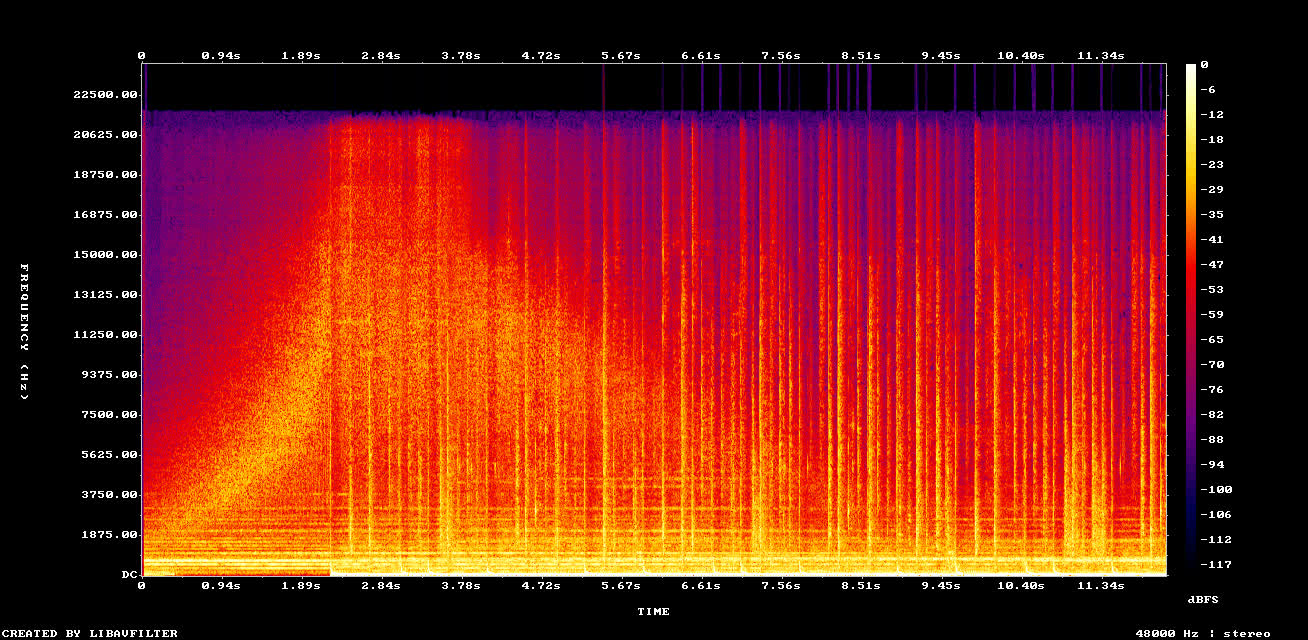
Example: MP3 Music Restoration
Restore missing high frequencies from old recordings
Old recording often had poor equipment. Re-generate missing high frequencies with dedicated models.
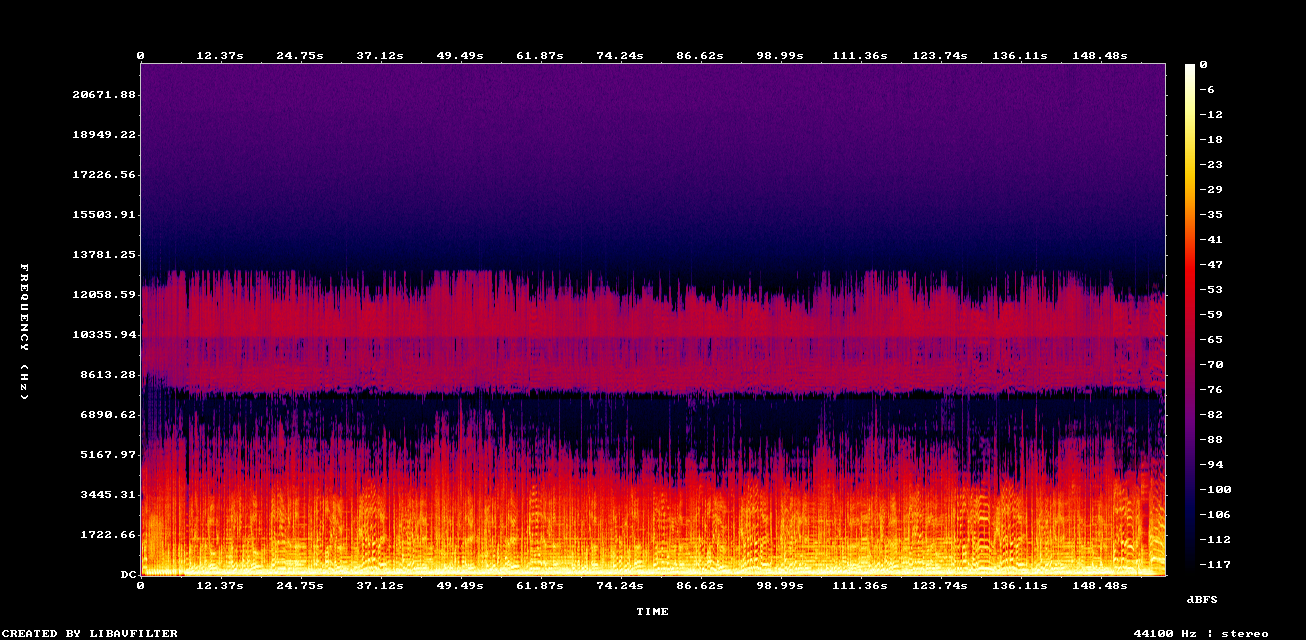
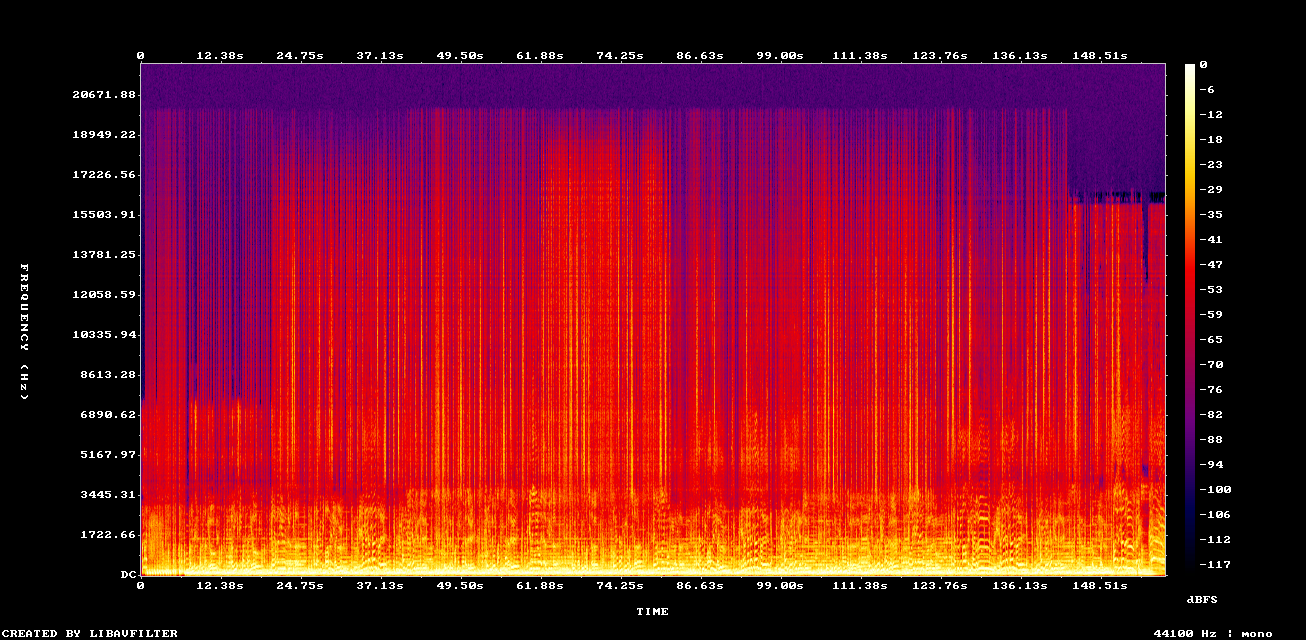
Example: AudioSR restoration (4kHz cutoff, mono)
Fix clipping and harshness
Clipping happens when audio is too loud to be encoded. Use Neural Analog to remove clipping artifacts while maintaining high volume.
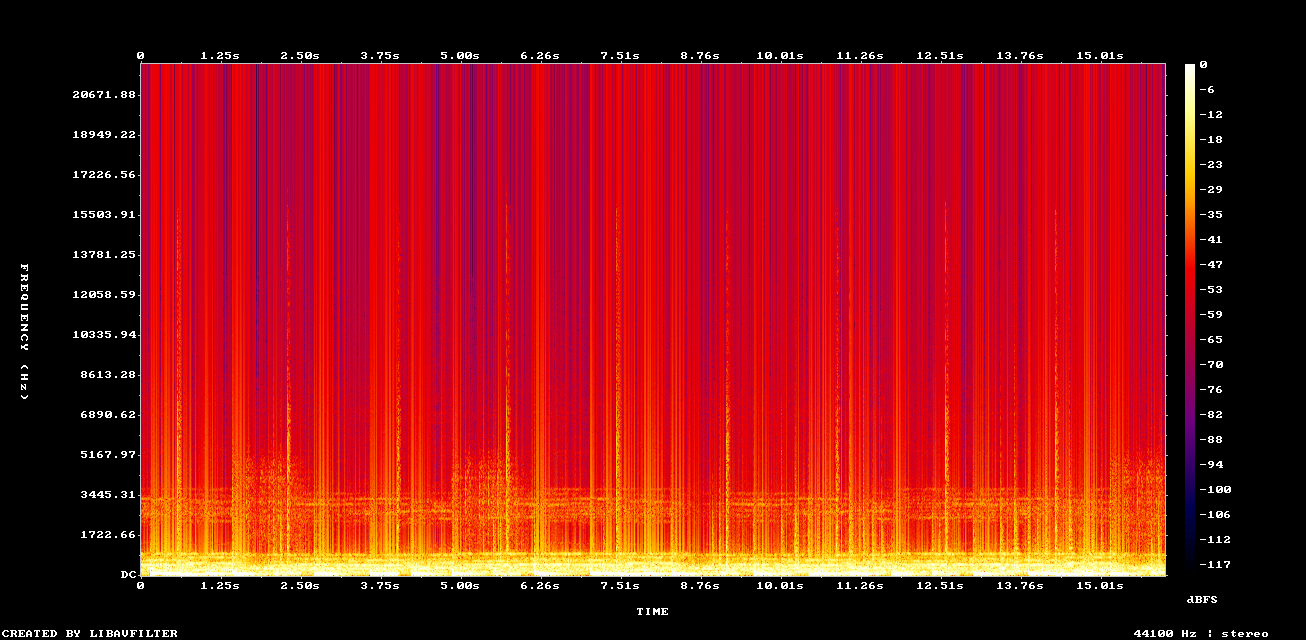
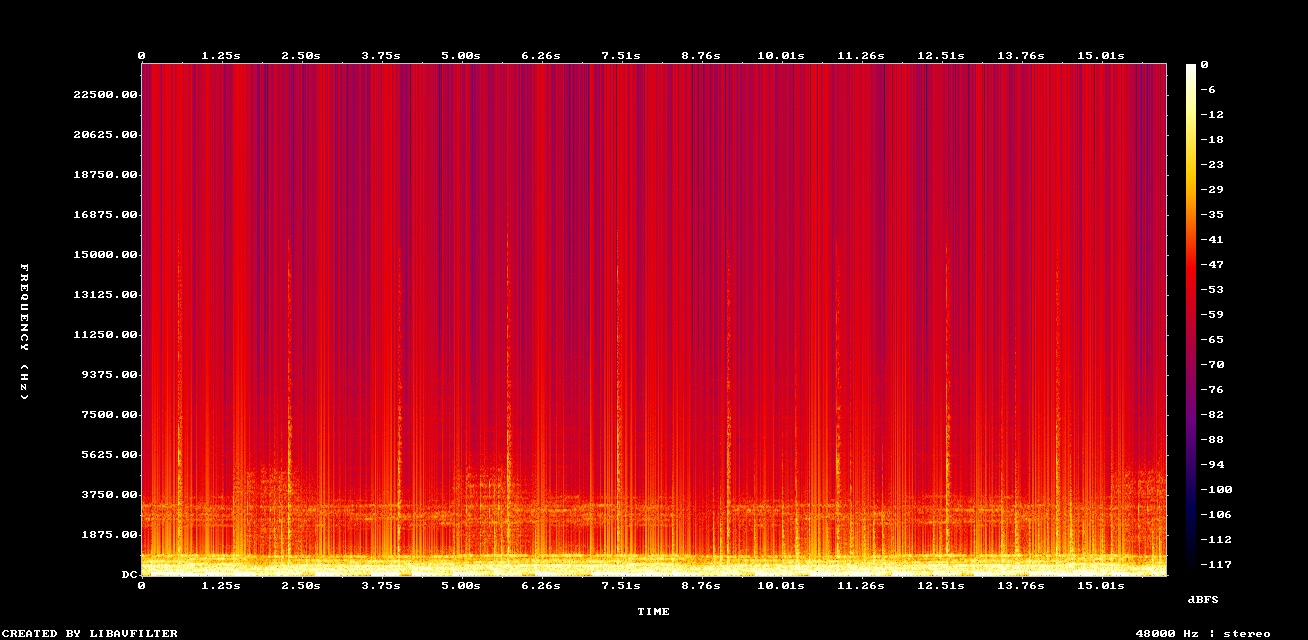
Example: Restore clipped audio from an old MP3
Trusted by 7000+ music lovers

Neural Analog makes me feel like a monkey with an AK-47, in the best way possible

It worked! Well done :) Many thanks :))))

Wow thank you so much i upscale videos and take out live recordings from music because of my autism i hate the crowd
Listen to tracks made by our users
AI audio enhanced with Neural Analog
How does the Restoration model work?
Learned Signal Statistics
The model is trained on clean and degraded audio pairs, learning the structure of real music and compression artifacts.
Time-Domain Consistency
Reconstruction is constrained in time so added detail remains stable and phase-coherent.
Objective Quality Metrics
Outputs are optimized for perceptual and signal quality, reducing artifacts while preserving detail.
Frequently Asked Questions
Yes. Humans hear frequencies between 20Hz to 20Khz. Low quality audio hardware, like smartphones, can easily play these frequencies.
Unfortunately, hearing degrades with age and with exposure to loud sounds. For example, the famous ultrasound "Mosquitone" (17.8kHz) is clearly audible to younger people, but notoriously difficult to hear for adults.
However, even if not directly heard, high-frequency content is crucial for the transient response and "spatial feel" of audio, which impacts how you perceive quality even if you don't consciously hear a sine wave at that pitch.
Simple WAV conversion does not add missing detail. Conversion in tools like Audacity mostly repackages existing samples through interpolation, while True Audio Restoration uses generative AI (similar to image super-resolution) to predict and insert missing detail, recovering dynamic range and "air" lost to compression.
Restoration and mastering solve different problems. Many mastering services rely on multiband compression to boost or compress existing frequencies, so mastering without restoration can amplify artifacts instead of fixing the root quality issue.
Once your audio is restored, Automatic Mastering can polish it for professional release, with intelligent loudness optimization tailored to your track.
Audio restoration analyzes spectral content and removes lossy-compression "chirps" and "warbles", replacing them with coherent harmonic content.
That's okay! Restoration is not a silver bullet. Neural Analog offers other tools such as stem splitting and mastering to power your music creation. This enables a hybrid production workflow where you can replace low-quality AI elements entirely.
No, it does not just add noise. Unlike enhancers that layer white noise, the generative model reconstructs the clean signal that should be there by separating useful harmonic and transient structure from compression artifacts and other degradations.
You can Restore Audio for free on a sample. The models run on beefy GPUs, so for longer audio, you'll need a paid subscription.
Yes, it can work on old codecs and low bit-depth audio. Processing is based on raw signal rather than a specific codec, so trying a sample is the best way to evaluate performance.
Yes. Support depends on the model. UniverSR, AudioSR, and FlashSR upscale low resolution audio to 48Khz (super resolution). The 'Music Upscaler' restoration algorithm keeps 48Khz sources at 48Khz, and restores 44.1Khz-or-lower sources at 44.1Khz.
Yes, you can run restoration more than once. You can change the selected Source to run another pass on already restored audio, and batch imports support an 'Iterative restoration' toggle that selects the latest restored version of each file.
Do not settle for degraded YouTube MP3 audio.
Restore old compressed music files and improve clarity.